Some of the best things we bring home from a trip never fit in a suitcase.
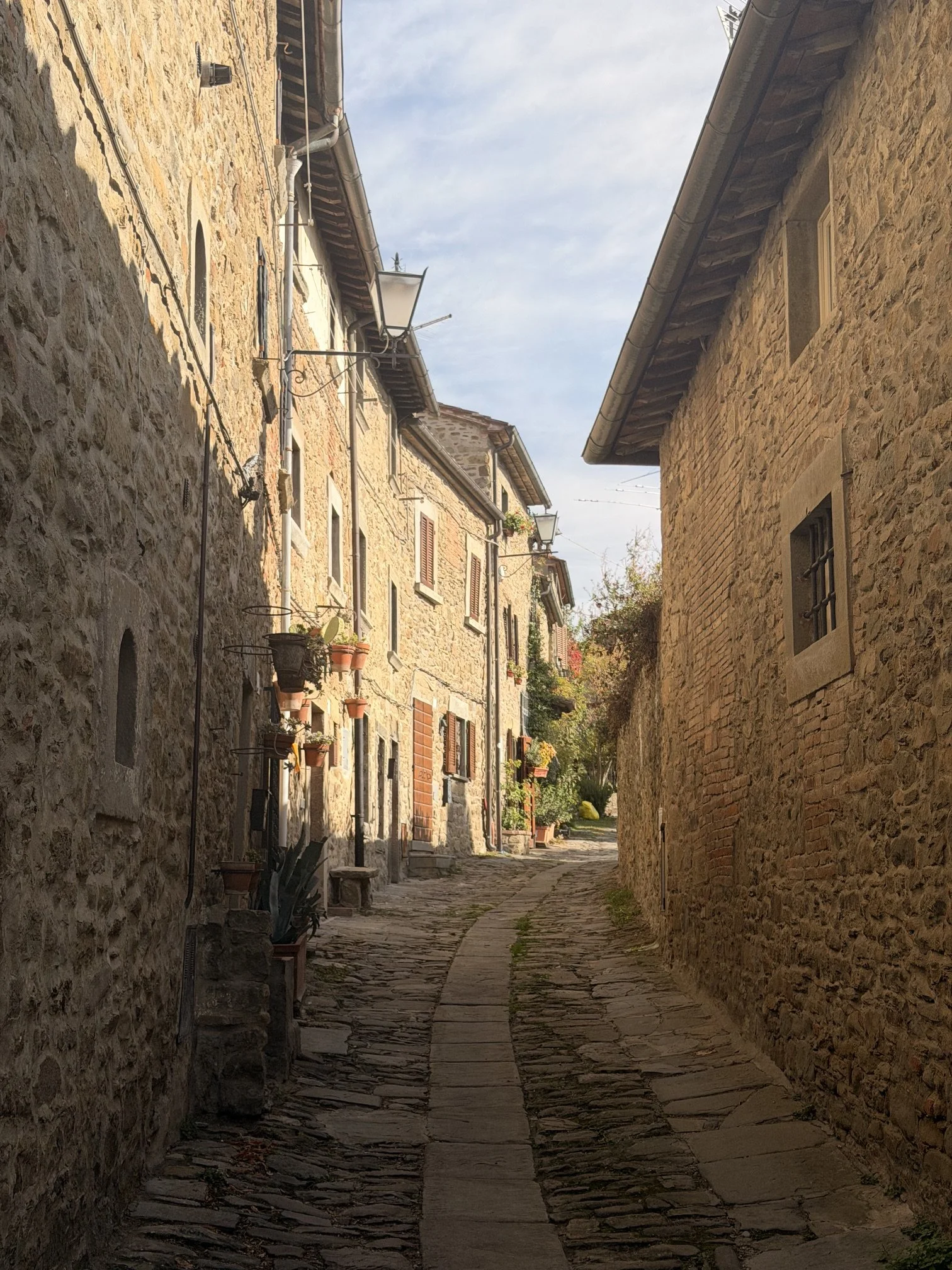
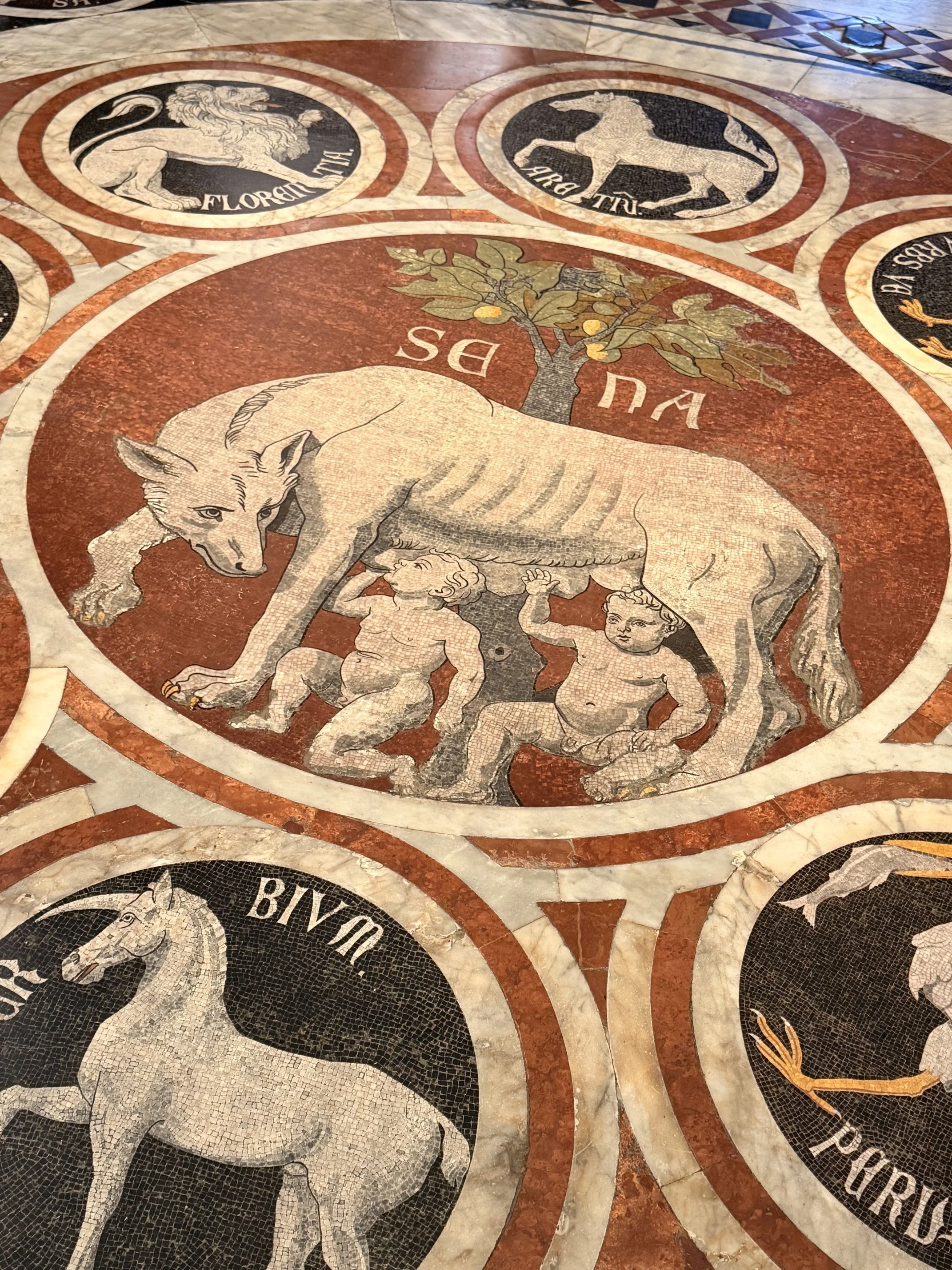
After a recent week exploring Tuscany, I returned with a camera full of photographs and fresh inspiration for the rooms we create at Grant & Little. There were the golden façades and weathered shutters, of course, but also smaller discoveries: pottery tucked into a courtyard, a beautiful old cabinet, the way sunlight fell across a worn stone floor.
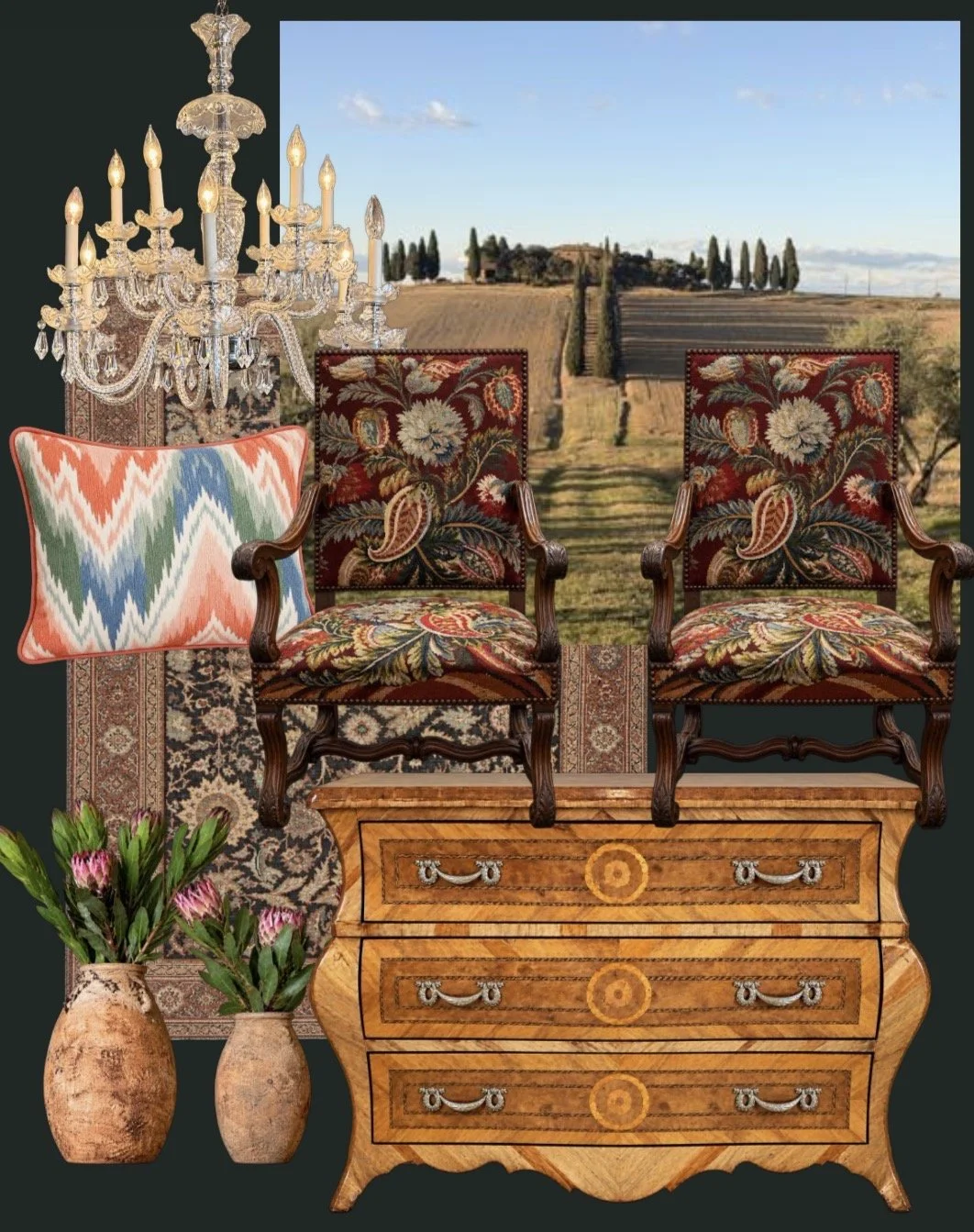
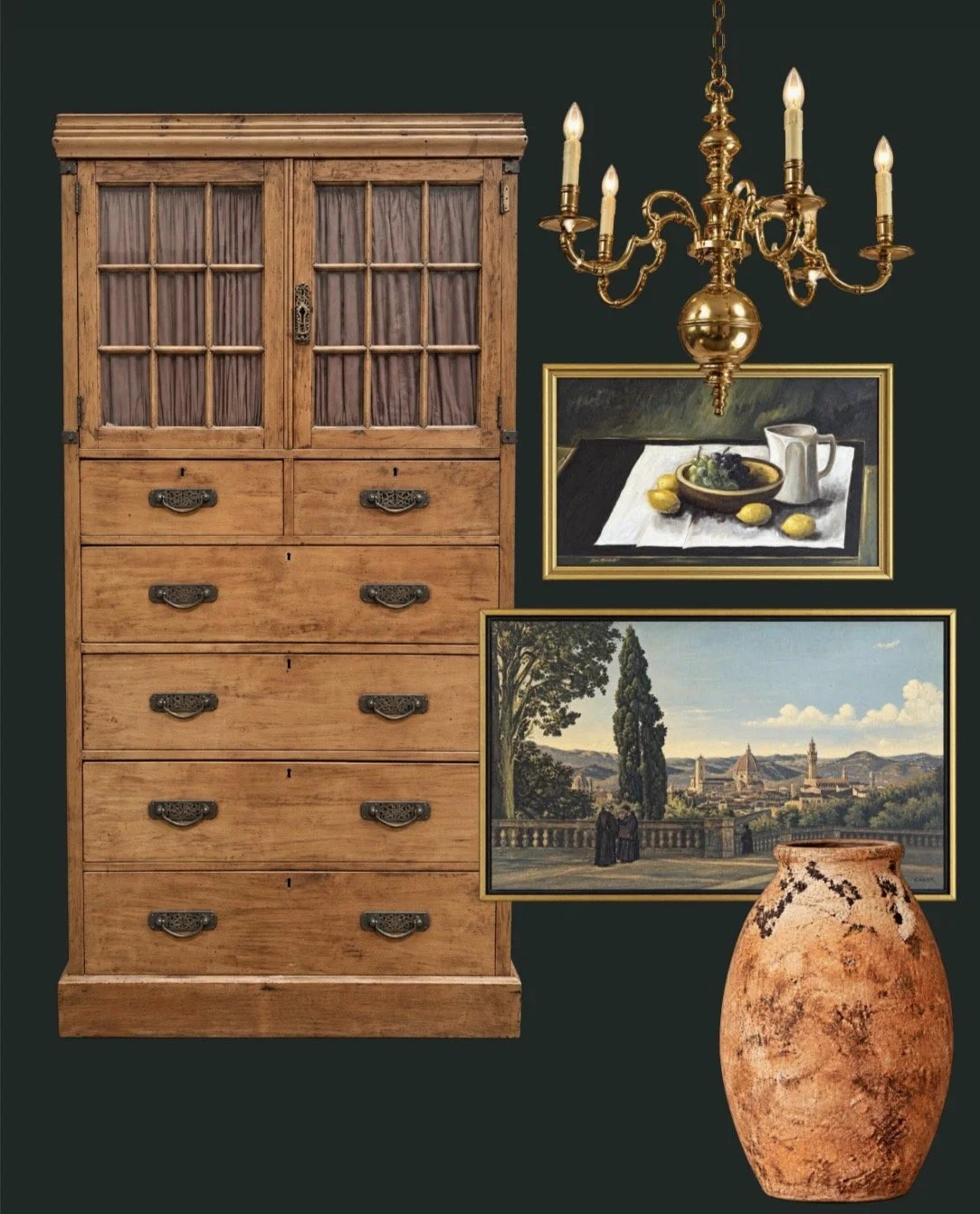
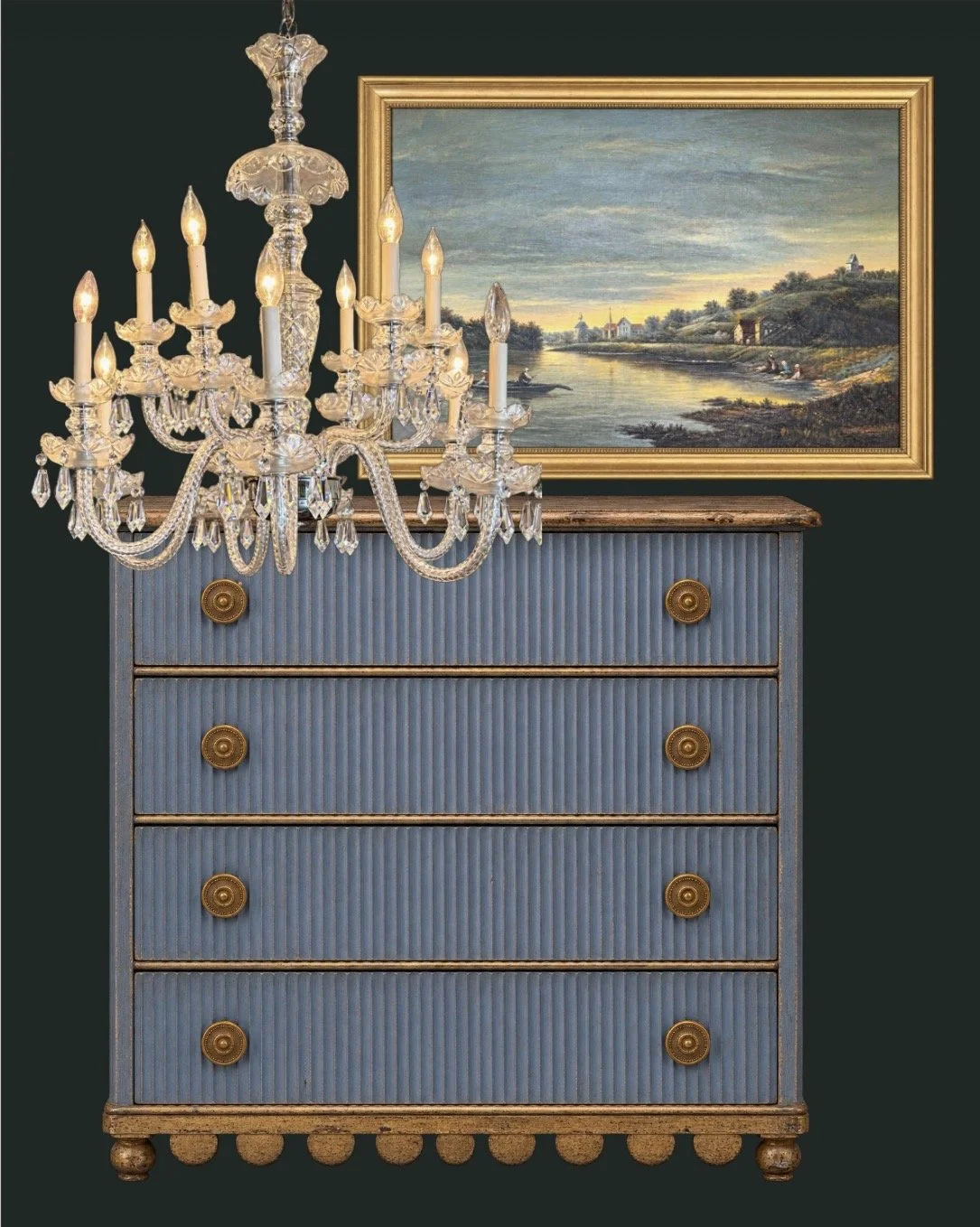
At one point, my son remarked that Tuscany looked like Turnage Place. Surrounded by antiques and interiors full of character, I took it as a lovely compliment. That connection became the starting point for The Tuscan Edit: a collection of travel photographs, moments from a recent Grant & Little project, and Turnage finds that share a certain warmth and sense of history.
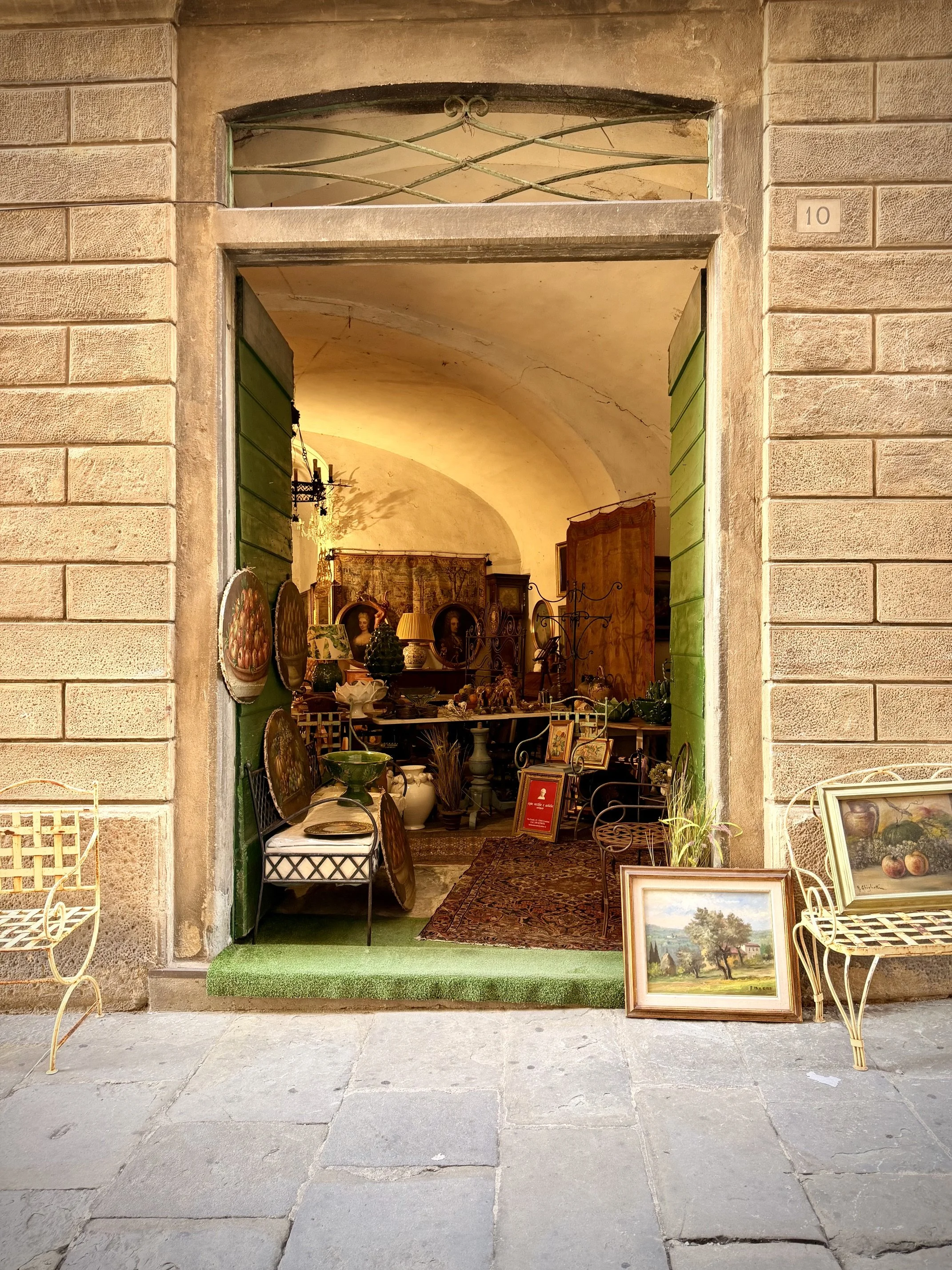
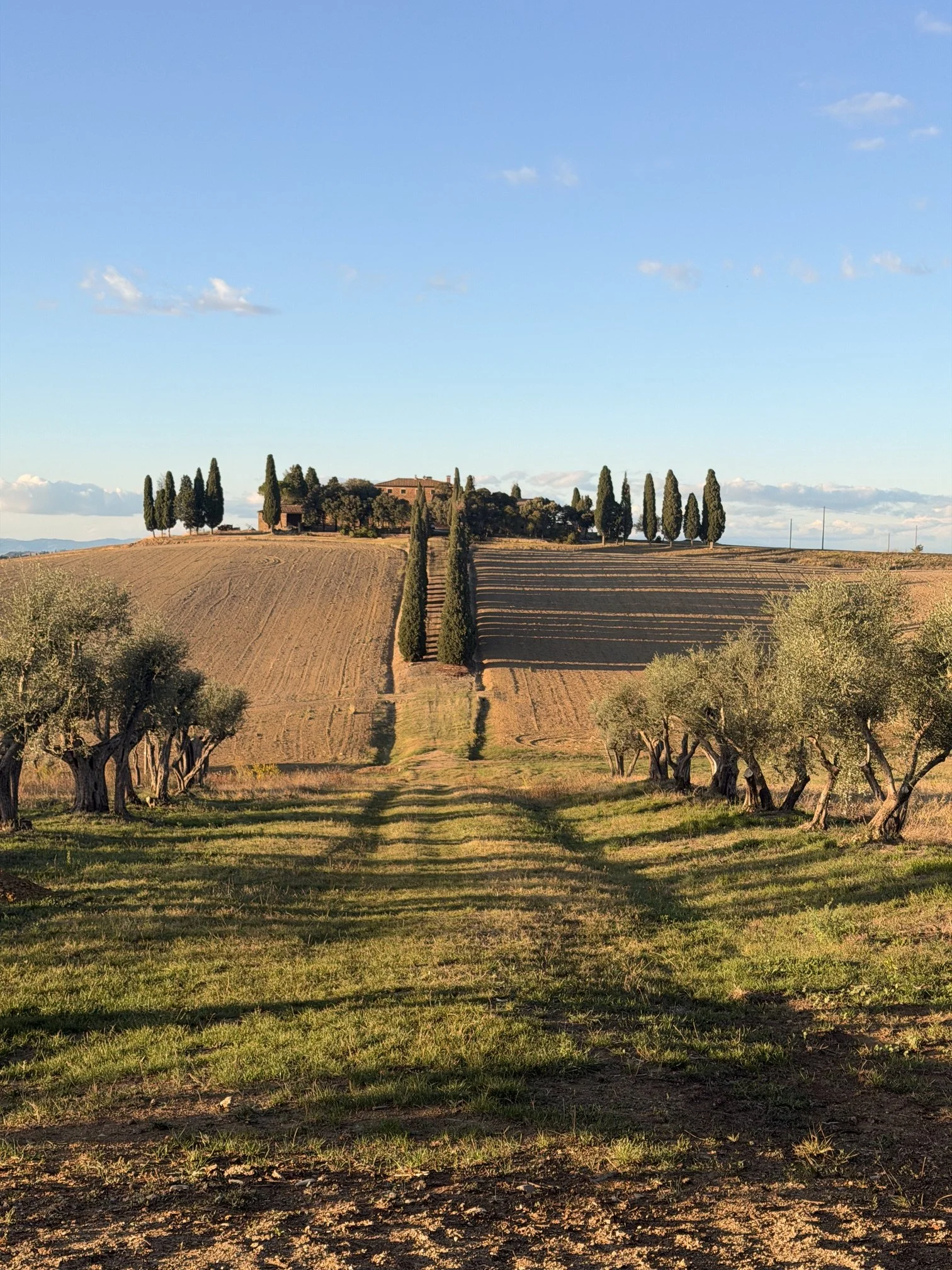
Let History into the Room
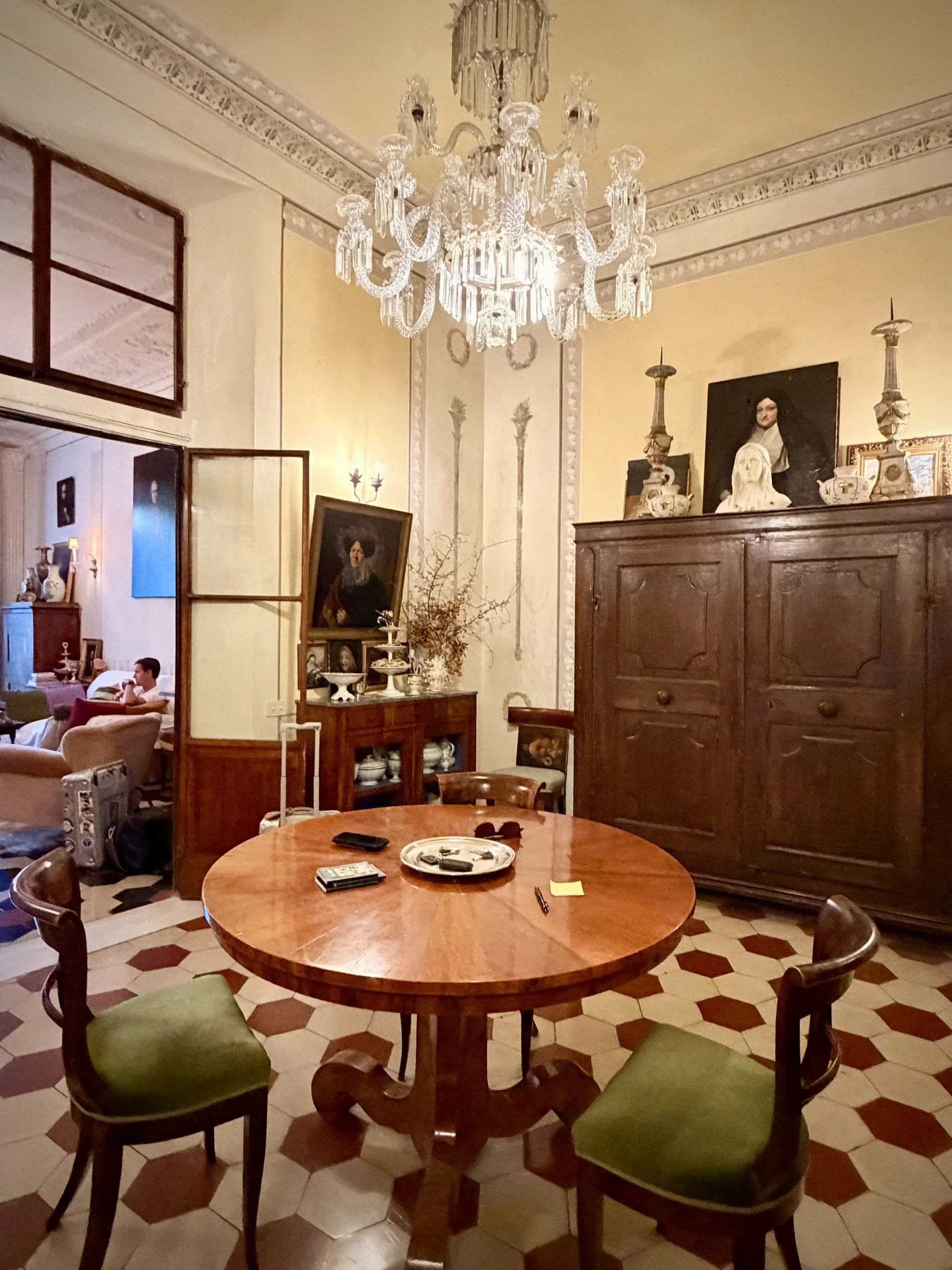
The interiors that caught my attention in Tuscany held evidence of the lives around them. Furniture showed its age. Objects felt useful and loved. Different periods sat comfortably together.
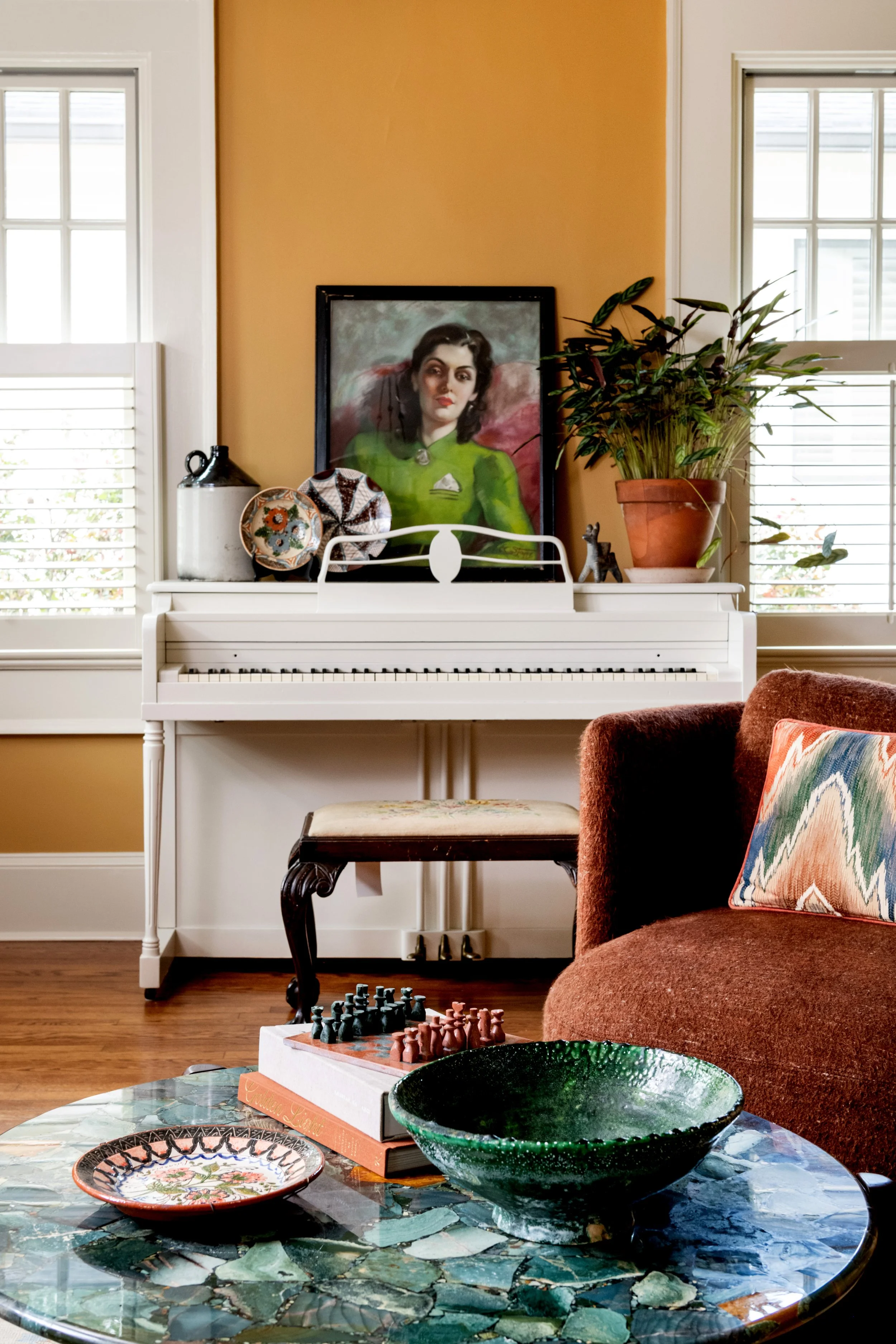
We bring that sensibility to our design work. An antique chest can give a room an immediate sense of permanence, while a contemporary chair introduces a fresh shape. A portrait adds personality. Together, those pieces create a conversation that makes the space feel individual. Start with something you love enough to build around. It might be an inherited cabinet or a painting you discovered on an afternoon out. Let that piece help guide the room.
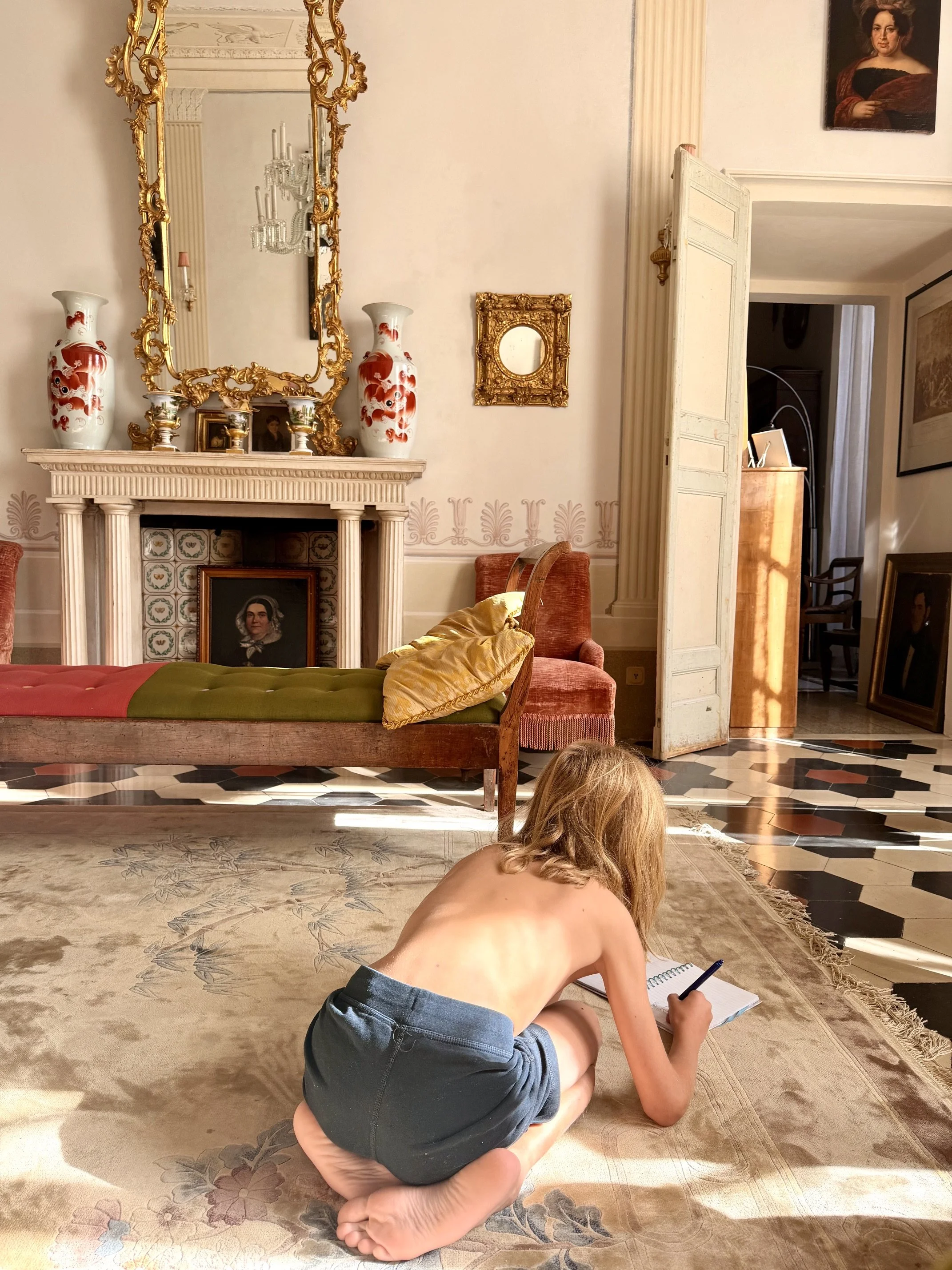
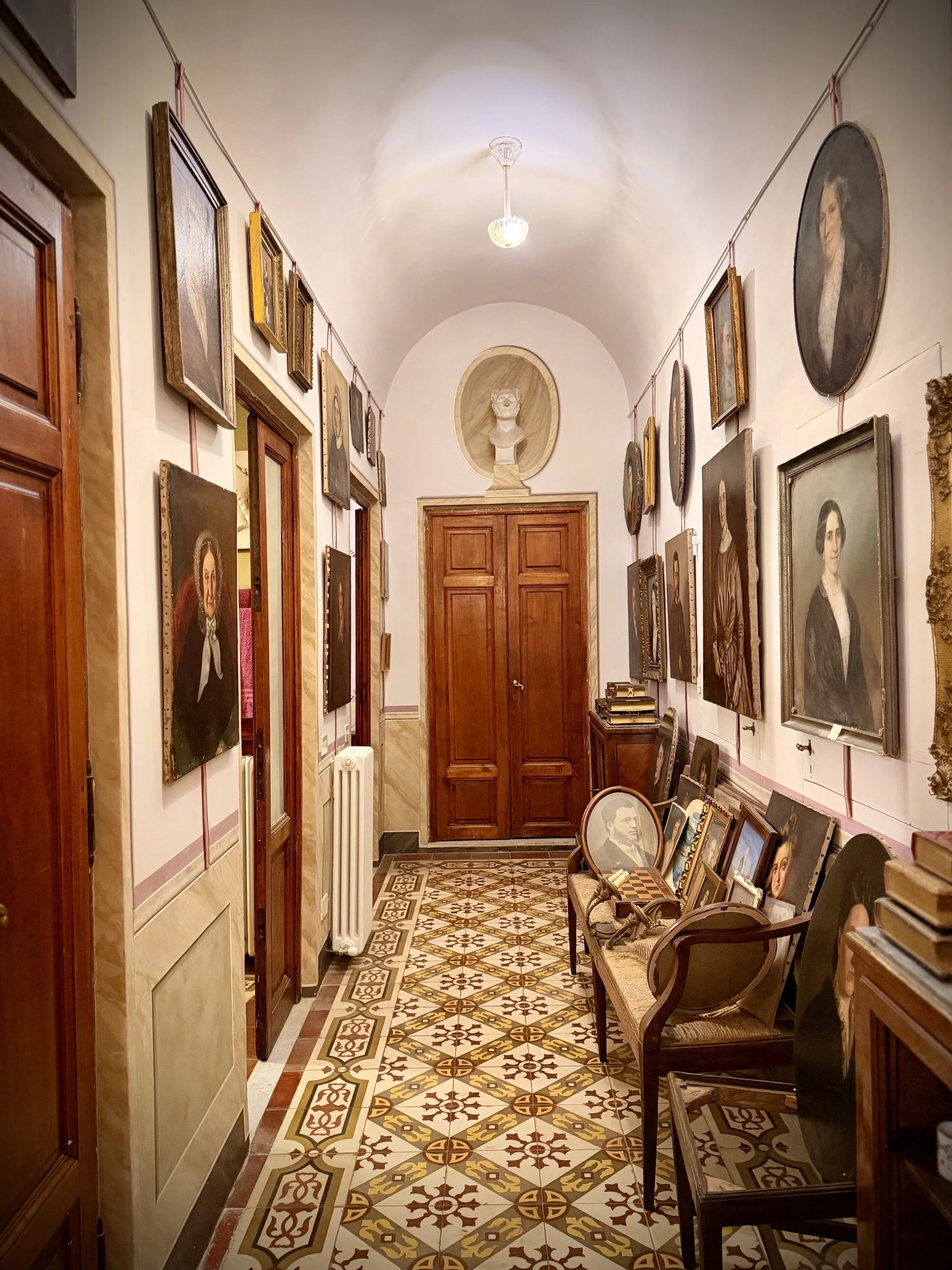
Choose Materials That Show Their Age
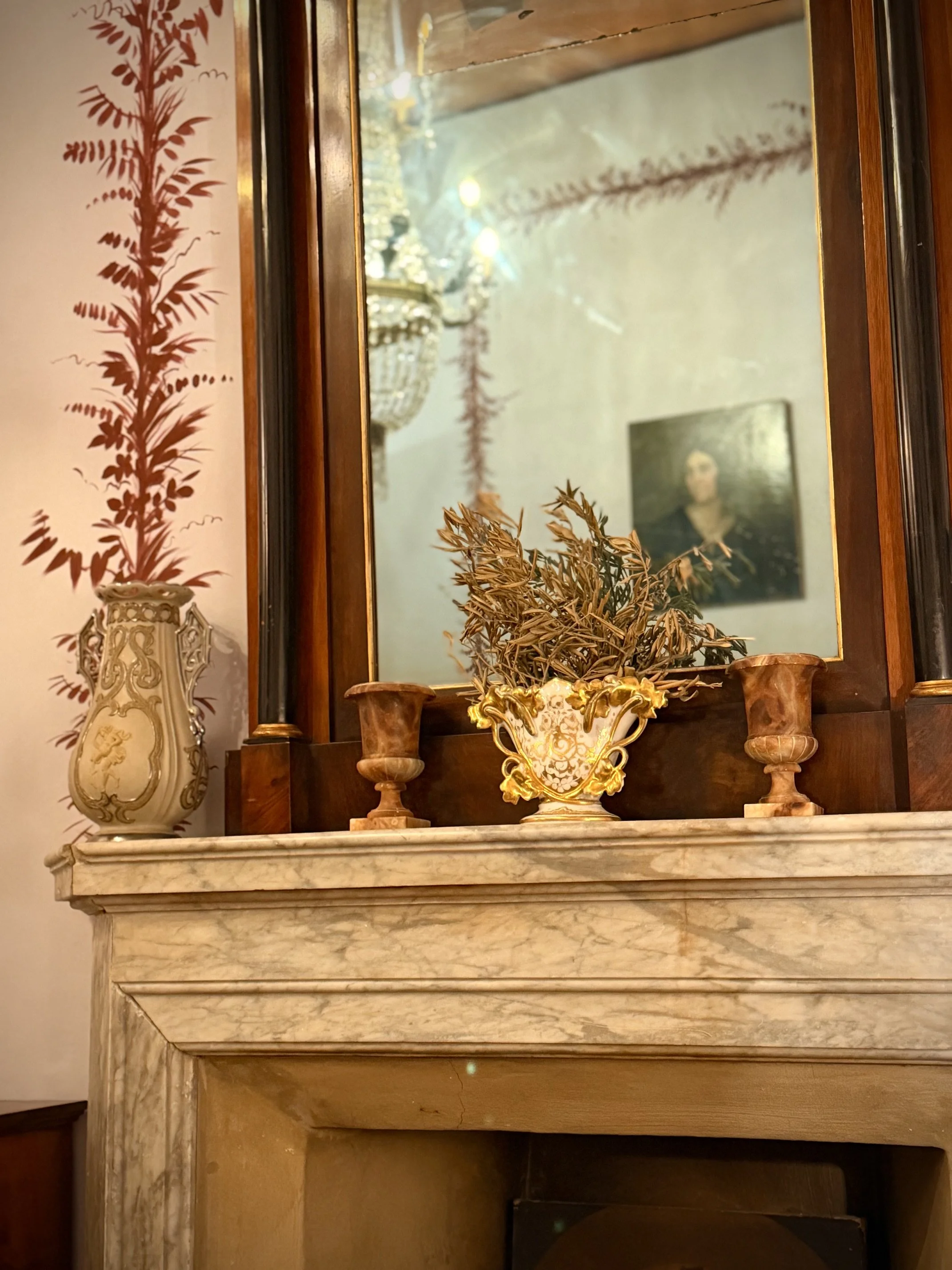
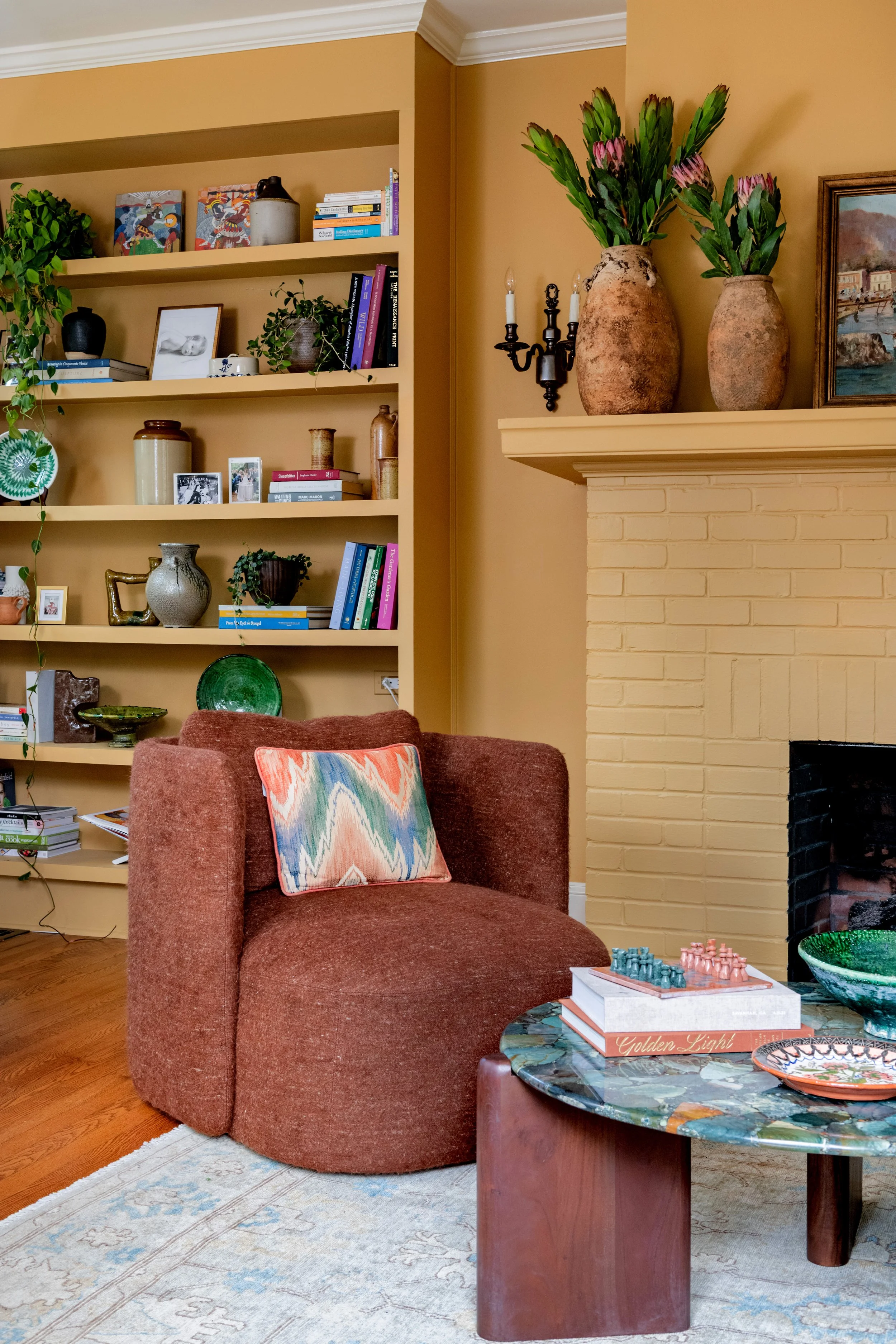
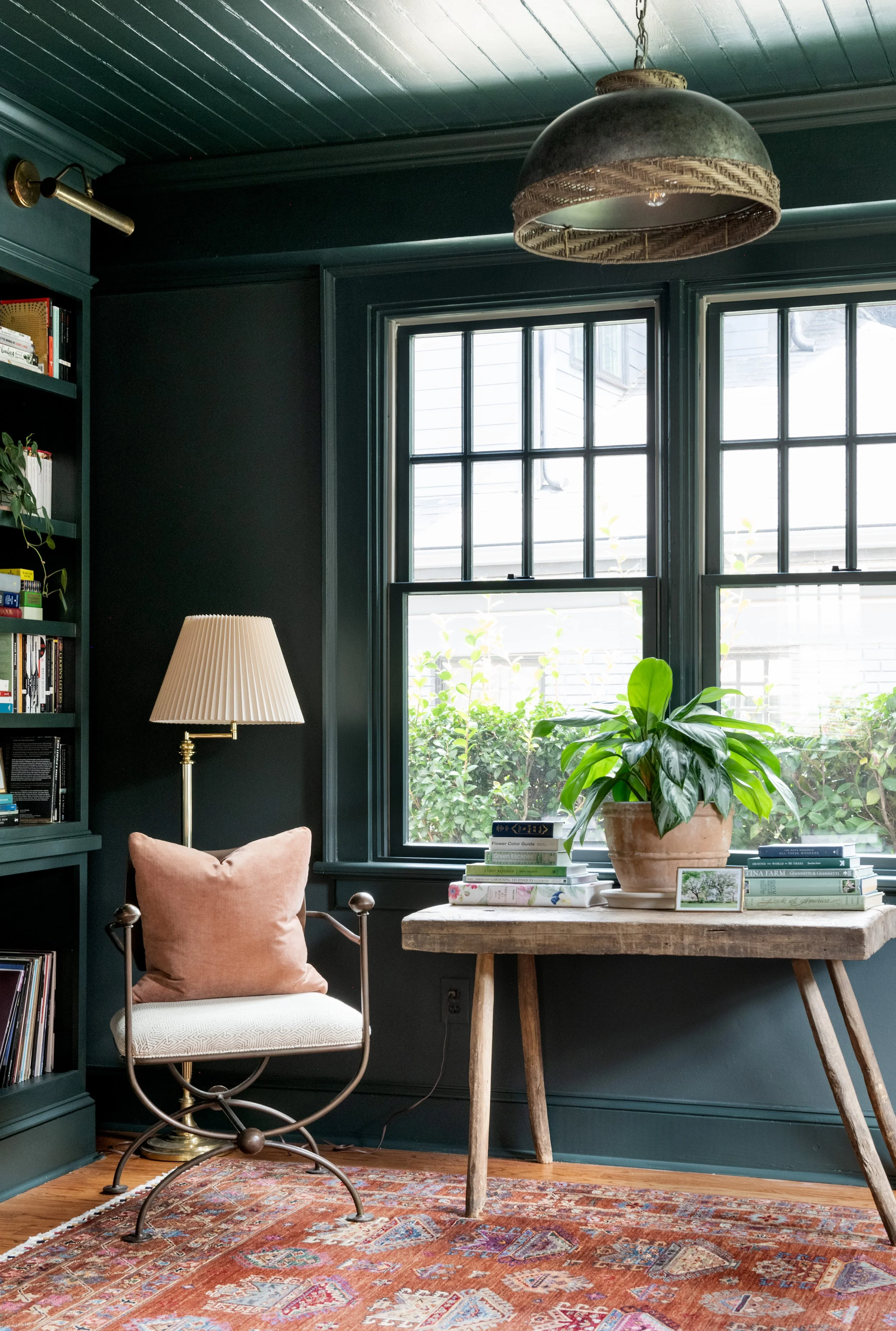
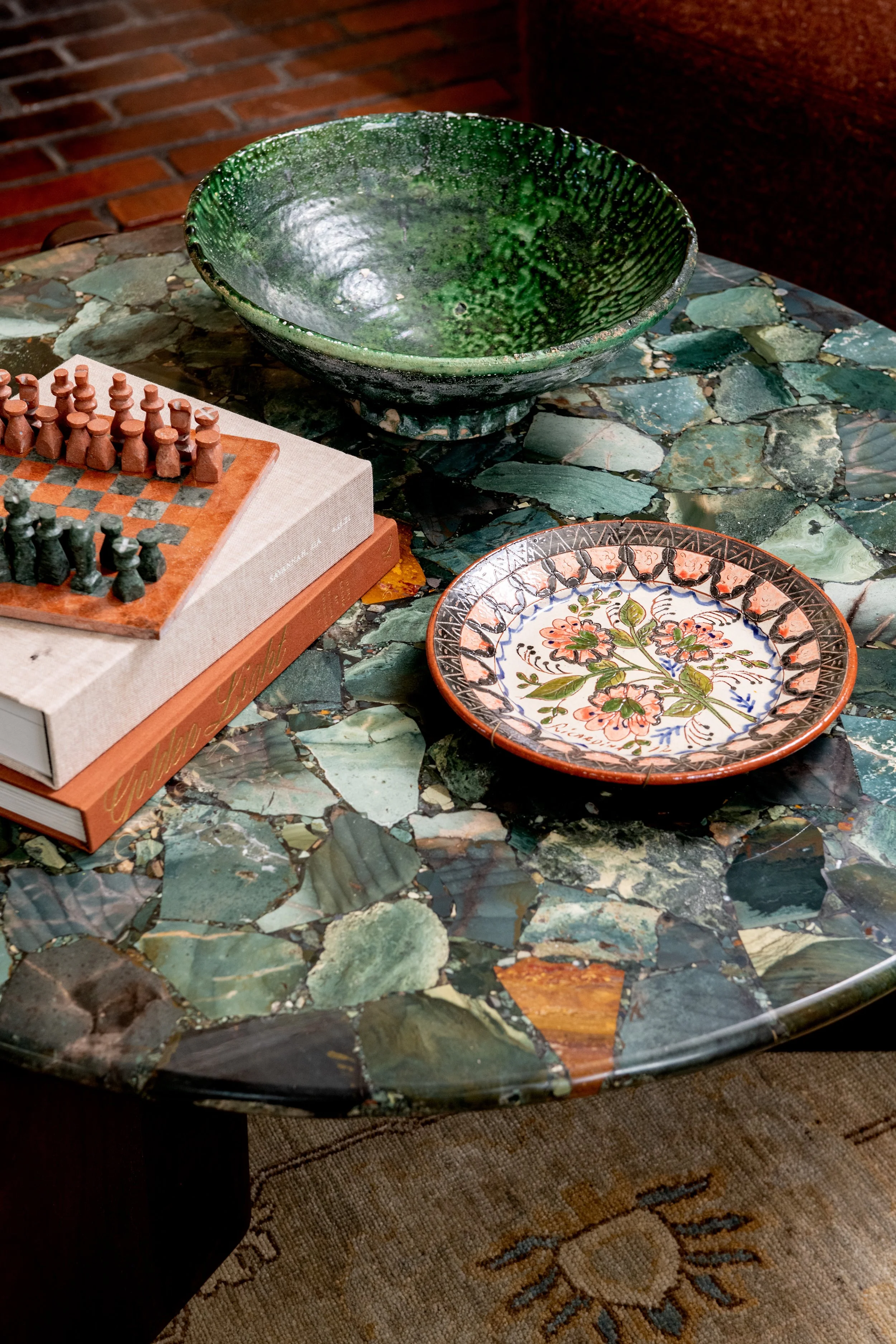
Patina brings depth that a perfectly uniform finish rarely offers. You see it on the softened edge of a wooden drawer, the mottled surface of terracotta, or brass that has mellowed over time. These details are part of an antique’s appeal. They also work beautifully alongside smoother, newer materials. In our recent project, sculptural seating and a polished stone cocktail table sit within a room layered with art and pottery. Each surface gives the others something to play against.
When choosing pieces, consider texture as carefully as color. A room becomes richer when your eye has different surfaces to explore.
Borrow a Palette from Somewhere You Love
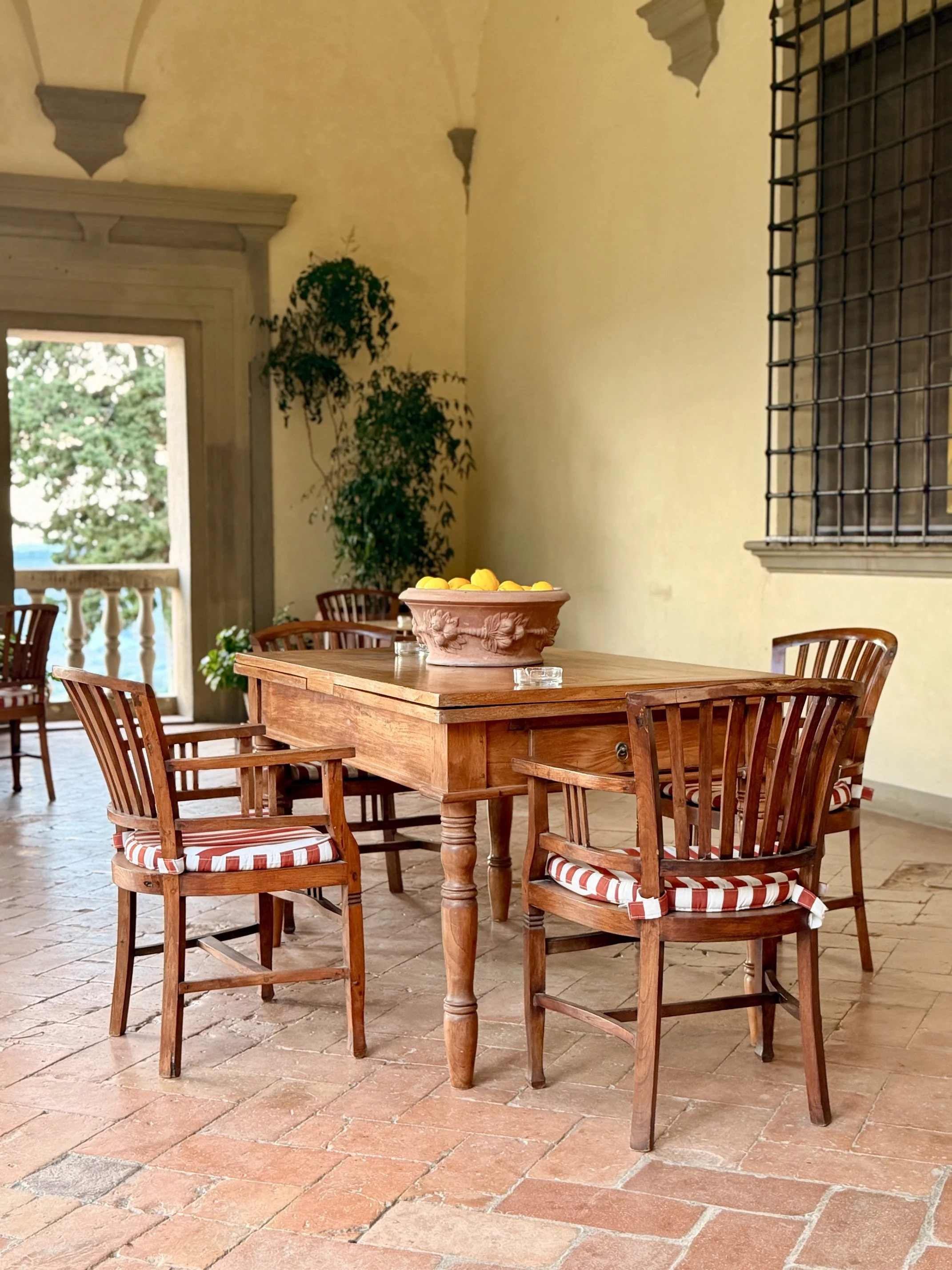
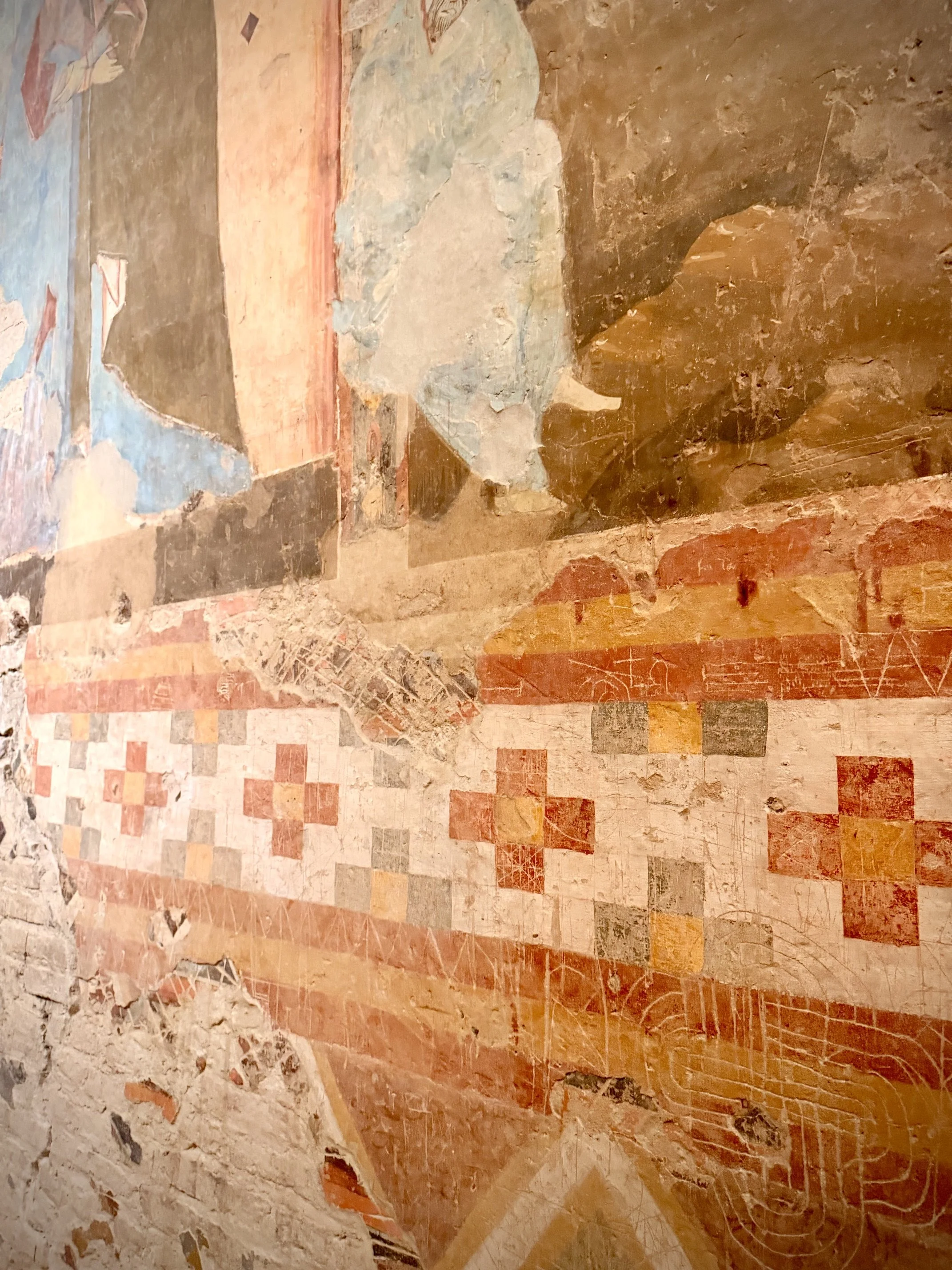
Tuscany offered a palette we could happily live with: warm ochre walls, earthy terracotta, deep greens, and soft blues.You can see a related warmth in the Grant & Little project featured in this edit. Golden walls surround rust-colored seating, while green stone and blue accents bring another dimension to the room.
To create that connection at home, look closely at a favorite painting, textile, or travel photograph. Choose a few colors and carry them through the space in different proportions. A small note in a painting might become the color of a cushion; a landscape’s green might find its way into pottery or upholstery.
Give Pattern a Little Freedom
Patterns are an essential part of our approach, and we love the energy that comes from an unexpected pairing.
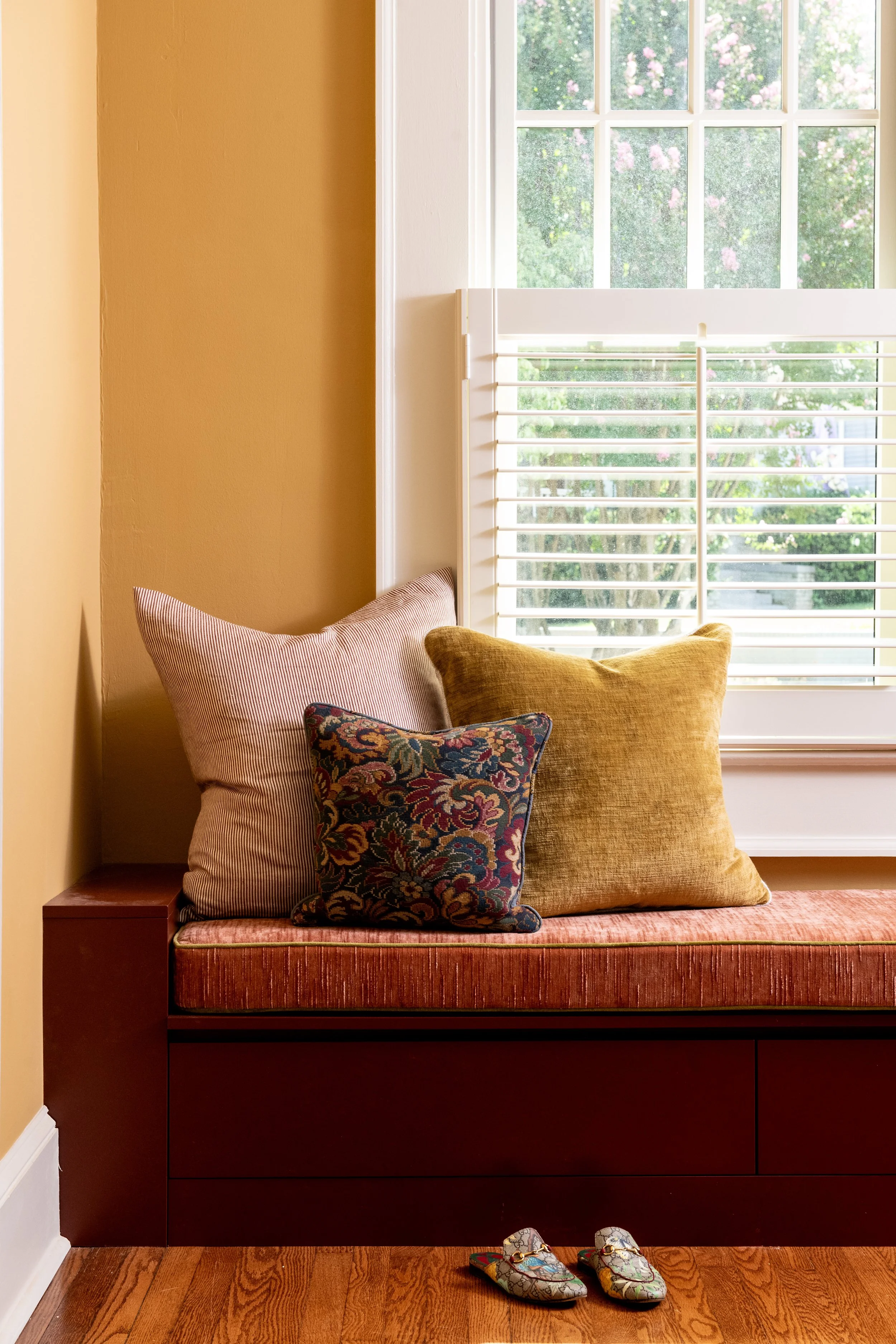
A lively flame stitch brings movement beside a floral tapestry.
A graphic wallpaper gives ornate antique furniture a fresh setting.
The relationship becomes easier when the patterns share a color and vary in scale.
Give each one enough space to register. Solid upholstery, a painted wall, or the quiet grain of wood can provide a pause between more detailed elements.
Leave Room for the Next Find
A collected home continues to evolve. There should be room for the object you haven’t discovered yet, whether it’s a small painting or the cabinet that changes your plans for an entire room. That pleasure of discovery is central to Turnage Place. For The Tuscan Edit, we’ve brought together pieces with the qualities that stayed with us on our travels: expressive wood grain, beautiful craftsmanship, and surfaces full of character. Some already have a place in the G&L interiors shown here. Others are ready for their next chapter.
La dolce vita can be as simple as enjoying the things around you. A favorite chair. A table set with beautiful plates. A room that invites you to stay a little longer.
Explore The Tuscan Edit and visit Turnage Place to find your next layer.